Barking and Lunging on Walks: What Reactivity Is and What Below Threshold Means
A reactive dog isn't a bad dog, and the fix starts with giving them enough distance to think.
October 6, 2026 · 4 min read
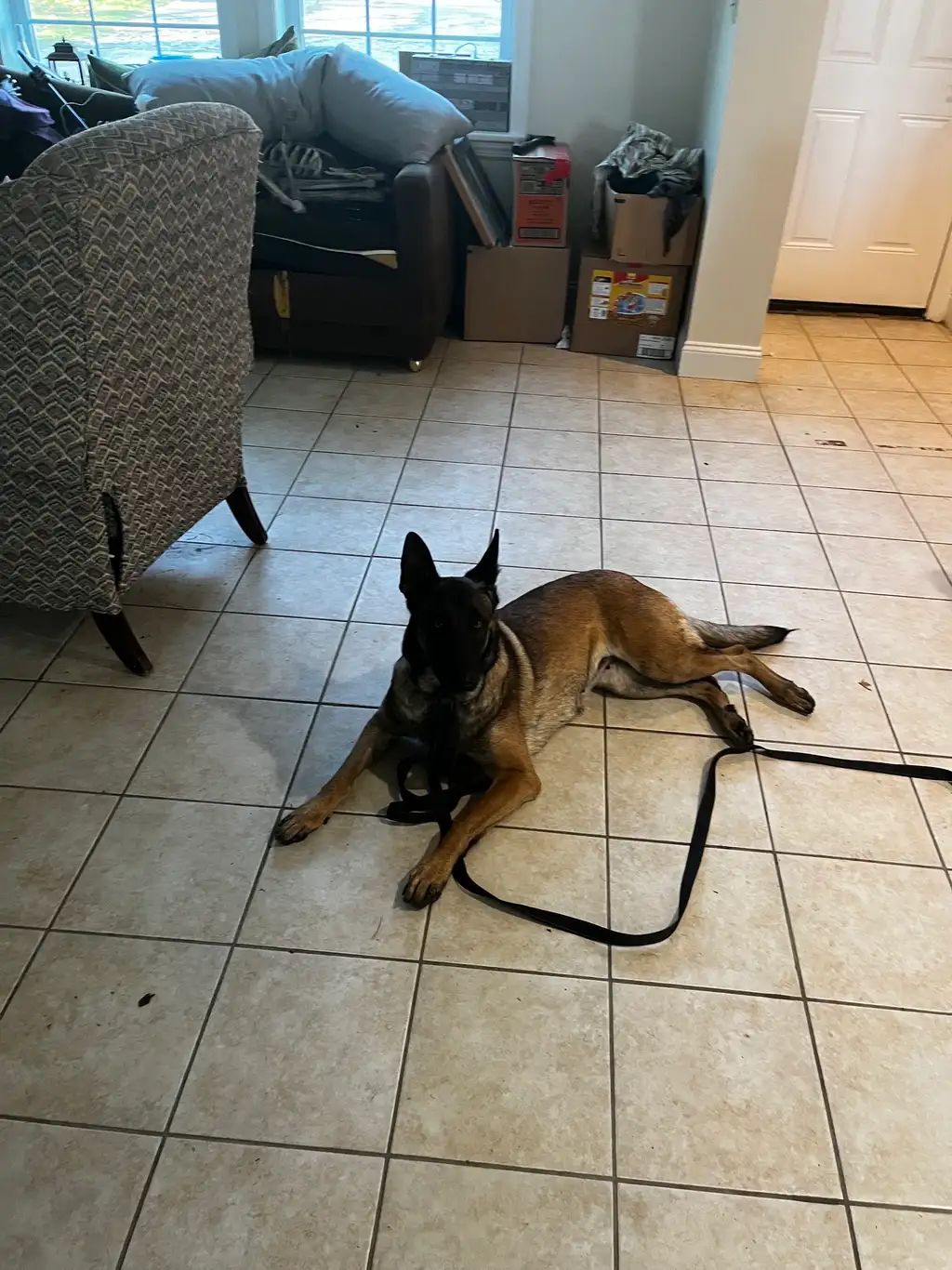
You see another dog half a block away and your stomach drops. Your dog sees it too, and a moment later they're barking, lunging, and spinning at the end of the leash. Strangers stare. You feel like the worst owner on the street. You aren't, and your dog isn't a lost cause. They're overwhelmed, and there's a way through it.
What reactivity actually is
Reactivity means a dog reacts strongly to something in their environment, called a trigger. Common triggers are other dogs, strangers, bikes, skateboards or cars. The reaction is big: barking, lunging, growling, frantic pulling.
The feeling behind it varies. Some dogs are afraid and want the trigger to go away. Some are frustrated because they want to say hello and the leash is stopping them. Some are simply overexcited. From the outside, all three can look the same, which is one reason a trainer watching your dog in person helps so much.
Pain or illness can also make a dog edgy. If the reactivity is new or sudden, check with your vet first.
What 'below threshold' means
Threshold is the point where a dog tips from noticing a trigger to exploding at it. Below threshold, your dog can see the trigger and still think. Above threshold, they can't. You can't teach anything to a dog who is above threshold, any more than you could teach algebra to someone in a panic.
Here's how to tell which side your dog is on.
- Below threshold: loose body, soft eyes, takes treats, responds to their name, can look at the trigger and look away.
- Near threshold: freezing, hard staring, stiff tail, refusing treats, a closed mouth.
- Over threshold: barking, lunging, pulling hard, ignoring you completely.
The goal of all reactivity work is staying on the first line of that list, and slowly shrinking the distance over weeks as your dog gets better at coping.
Distance is your first tool
Distance is the easiest dial to turn. Cross the street. Step between parked cars. Turn around and go back the way you came. None of this is giving in. You're keeping your dog under threshold so that learning can happen.
Pick walking times and routes with fewer surprises. Quiet early mornings or low-traffic streets help. Scout the route in your head before you leave. If something shows up, you want a plan, not a scramble.
Look At That
Look At That, often shortened to LAT, teaches your dog that seeing a trigger is a signal to check in with you. Stand at a distance where your dog notices the trigger but stays calm. The moment they look at it, mark and feed. The reward comes from looking calmly, not from running at it.
After a few reps, many dogs look at the trigger, then swing back to you on their own, asking for the treat. That check-in is the habit you're building. Keep sessions short and quit while your dog is still doing well.
Pattern games like 1-2-3
Predictability calms nervous dogs. A pattern game gives your dog a steady rhythm to hold onto while the world does unpredictable things. In a 1-2-3 pattern, you count out loud and deliver a treat on each number, at the same pace, over and over. With the trigger far off in the distance, you keep the pattern going. Your dog learns that while the dog down the street walks by, boring, steady treats keep arriving.
If your dog stops taking treats or can't follow the rhythm, you're too close. Add distance. That's information, not failure.
What not to do
Yelling, leash pops and corrections can add stress, and a stressed dog tends to link the trigger with something bad happening. That's why we don't use prong collars, e-collars, choke chains or any fear-based tools at Echo Dogs Training. Don't force greetings, either. 'Let them work it out' is a bad bet for a dog who's already struggling.
When to get help
Reach out to a professional if your dog has bitten or come close to biting, if you're avoiding walks altogether, or if you can't keep your dog below threshold no matter how much distance you add. Safety comes first, for your dog, for you and for everyone around you. A trainer can watch your dog's body language in real time, spot what's driving the behavior, and build a plan that fits your streets.
One Google review from a Westie owner describes working with Anthony privately on their puppy Daisy, who was showing insecurities. Over several weeks he earned her trust and gave the family tools to continue working at home. That blend of patient work plus owner coaching is how force-free training holds up on an ordinary Tuesday.
Echo Dogs Training's Calm Before Control program is the force-free path for reactivity, anxiety, barking and lunging. It begins with assessment and safety, then moves through stabilization, skill building and real-world reliability. Call (215) 532-3388 for a free evaluation to talk through your dog's history and goals.
Echo Dogs Training, (215) 532-3388
Call (215) 532-3388