How to Train a Recall You Can Trust
A good recall is built in small steps, paid well every time, and protected from anything unpleasant.
October 6, 2026 · 4 min read
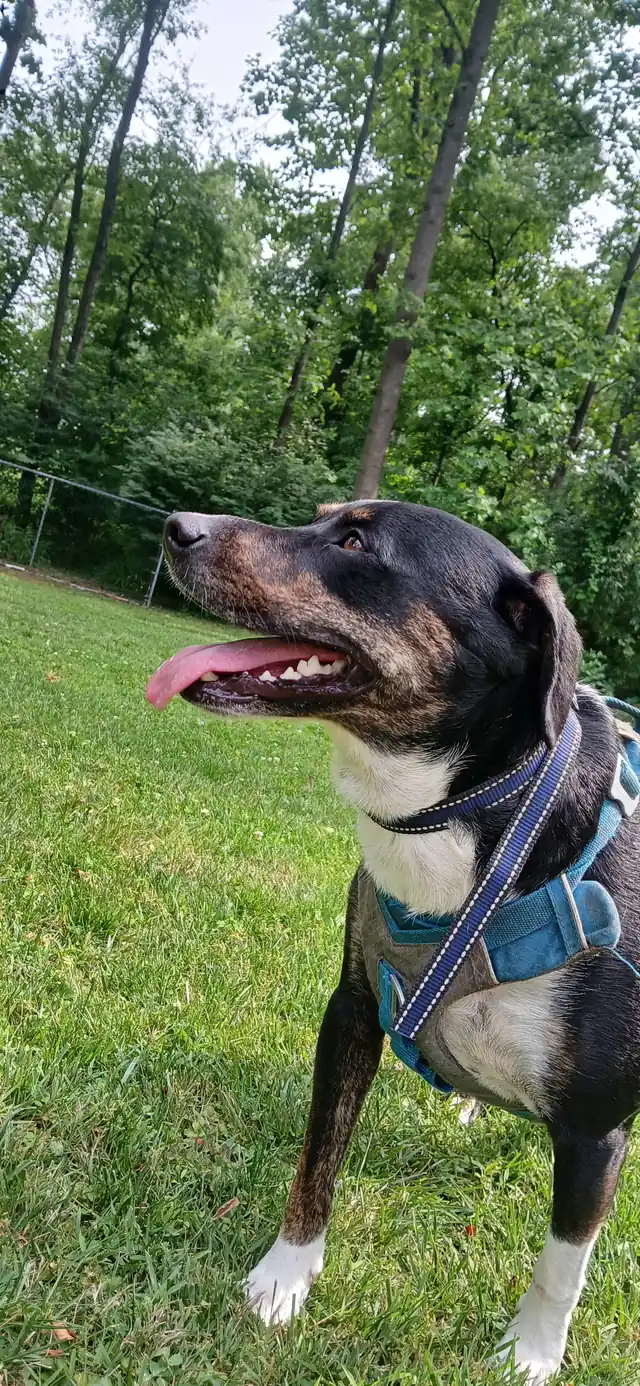
Your dog spots a deer at the edge of the field, and your voice becomes background noise. Everyone with a dog has been there. A reliable recall is one of the most useful skills you can teach, and it isn't about obedience or a dog's mood that day. It's about a habit you build, one rewarded repetition at a time.
Start with name recognition
Before 'come' means anything, your dog's name should mean 'look at me, good things happen.' Say the name once in a normal voice. When your dog looks at you, mark and give a treat. Do it in the kitchen, in the living room, while they're sniffing a corner. Ten reps a few times a day works.
If you say the name and your dog ignores you, don't repeat it. Make a small kissy noise or step back, then reward the moment they turn. A name that gets used again and again with no result turns into noise.
Choose a recall cue and keep it special
Pick a word you don't use for anything else. 'Come' is fine, but so is 'Here' or a whistle. The key is that it means one thing, and it's always followed by something great. Don't use it casually, and don't use it when you don't have a treat in your pocket.
Pay like it matters
Recall is the hardest thing you'll ask a dog to do. You're asking them to leave a squirrel, a puddle or a friend. Pay accordingly. Use high-value rewards: small pieces of chicken, cheese, hot dog, or whatever makes your dog's eyes go wide. Save these treats for recall practice only, so the cue keeps its magic.
When your dog arrives, make it a party. Several treats in a row, calm praise, a gentle chest scratch if they like that. Make arriving feel like winning a prize.
Build it in layers
Start close and easy: one room, a few feet apart, no distractions. Say your cue, back up a step or two, mark and reward when your dog reaches you. Then increase the challenge one thing at a time. Greater distance, then a new room, then the backyard, then a place with mild distractions.
- Change one variable at a time: distance, distraction or location, never all three.
- If your dog fails, make the next rep easier. The mistake is information, not misbehavior.
- Practice dozens of short reps in the house before you try the park.
- Call your dog when they're already heading your way, and reward the success.
Use a long line
A long line is a lightweight leash, often 15 to 30 feet, clipped to a well-fitted harness. It gives your dog room to roam while keeping you in control. Let the line drag, call your dog, and reward. If they don't come, you can calmly reel them in, with no jerking, and then reward when they arrive. They learn that ignoring you doesn't work, without ever practicing the wrong answer.
Keep using the line until your dog has responded correctly in lots of different places with lots of different distractions. It's not a sign of failure to keep it on for a long time. A dog who can run off and chase a squirrel is rehearsing the very habit you're trying to fix. Follow the leash rules posted wherever you walk, and stick to fenced areas for off-leash time until your recall is rock solid.
Never call for bad news
This is the one hard rule. If you call your dog and then do something they dislike, such as a bath, nail trim, ear cleaning or leaving the park, you've just taught them that your cue predicts bad things. Next time, they'll think twice.
Instead, walk over and calmly pick up the leash or carry your dog for those things. Or call, reward, and let them go back to play. That last one is a powerful trick: recall doesn't have to mean the fun is over. Call your dog often, pay them, and release them to return to whatever they were doing. Then coming to you becomes part of the game.
If your dog runs off
Don't chase. Running after a dog usually turns into a game they win. Instead, turn and move away, drop to your knees, or call in a cheerful, excited voice. If you're lucky, curiosity pulls them toward you. When they do arrive, reward them, even if it took too long. The goal is a dog who finds coming back to you worth it.
Keep it going
Recall is not a skill you finish. Keep paying for it. Keep practicing it. Keep your cue clean. A great recall is the result of hundreds of tiny, happy repetitions across months.
If you'd like hands-on coaching, the Foundations to Freedom program works on reliable recall alongside loose-leash walking, impulse control and real-world distraction training over eight weeks. Puppies from five months to one year can start with Puppy Foundations, which builds recall foundations in week five. Call (215) 532-3388 to book a free evaluation.
Echo Dogs Training, (215) 532-3388
Call (215) 532-3388